
History
General Logic was established in 1998 by Daniele Lugli and Franco Sartorio.
Daniele Lugli graduated in Nuclear Engineering with an experimental
thesis at Euratom. He then worked with industrial diagnostic expert
systems, directed the software group of Fidia (producers of numerical
controllers for milling) and coordinated the technical group of Prima
Electronics in the development of the PRIMACH numerical controller for
robots and laser cutting machines.
Franco Sartorio has been an important figure in Piedmontese and Italian
entrepreneurship. Graduated in electrical and mechanical engineering,
founder of DEA and of the Prima Group, holder of several mechatronic
patents, he has been the father of the contact measuring machine.
The PAG and Sentinel measuring machines designed by Sartorio remained in
use by hundreds of enthusiastic customers who did not want to replace
them even when electronic spare parts were no longer available.
The original mission of General Logic was therefore to create a modern
numerical controller for the retrofit of these machines, preserving the
large libraries of part programs developed by customers; so was
born VCNC, one of the first NCs based on Personal Computer, and so General Logic has been able to accumulate a large experience in the field of metrology.
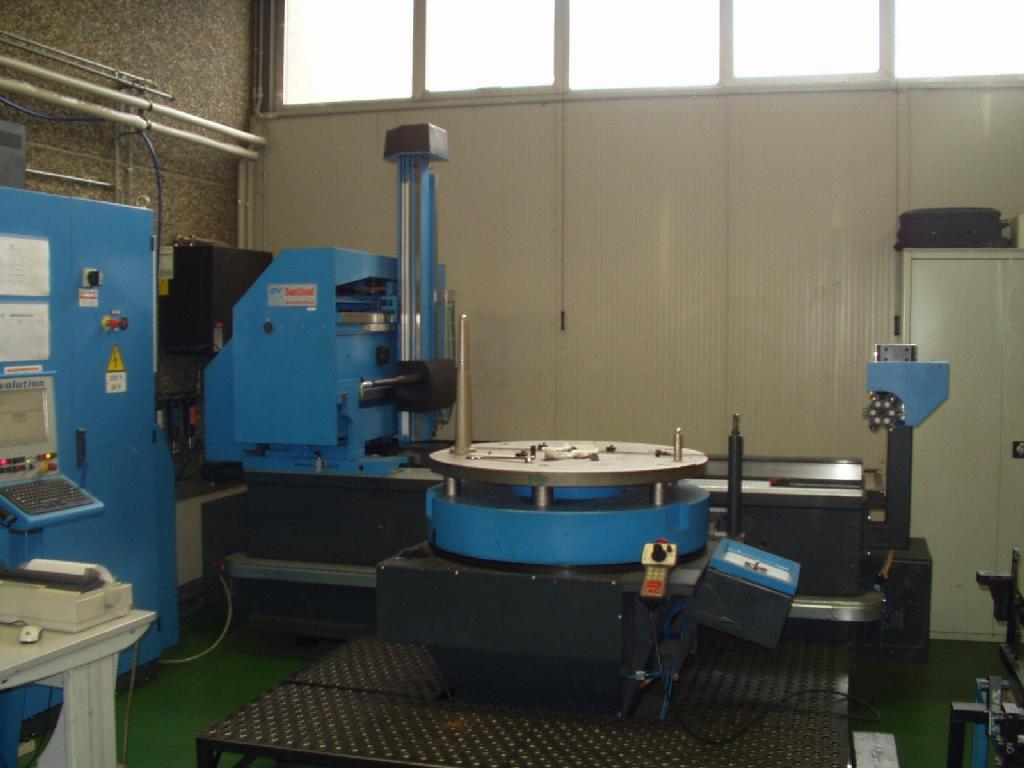
with VCNC control unit (on the left).
OptiMe
Soon General Logic realized the potential of optical measurement and began developing OptiMe (Optical Measurement, but also very well in Latin).
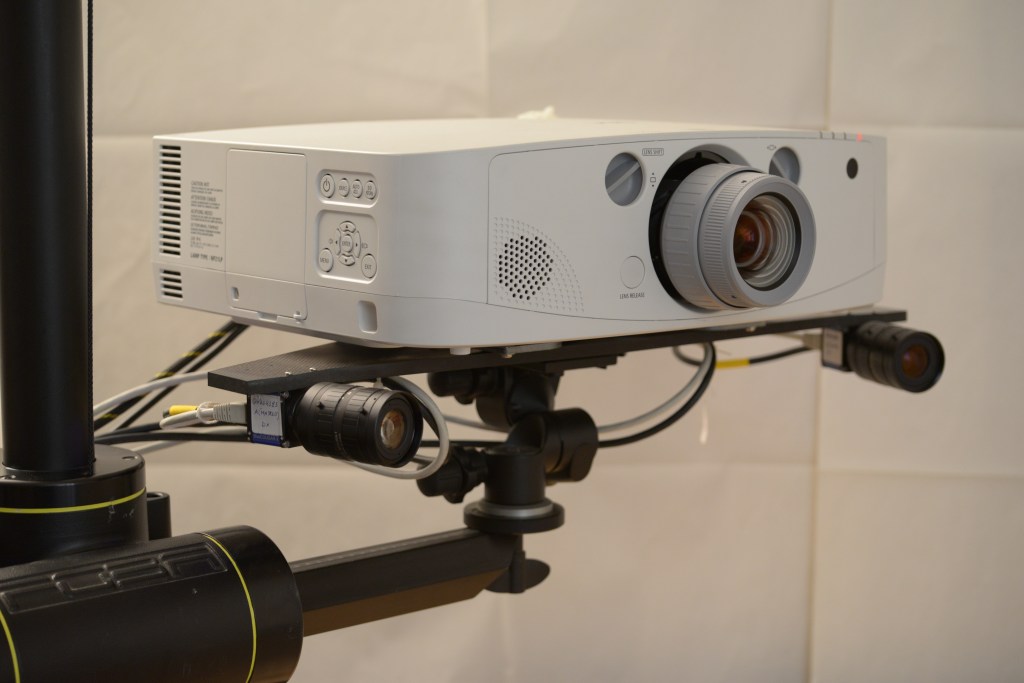
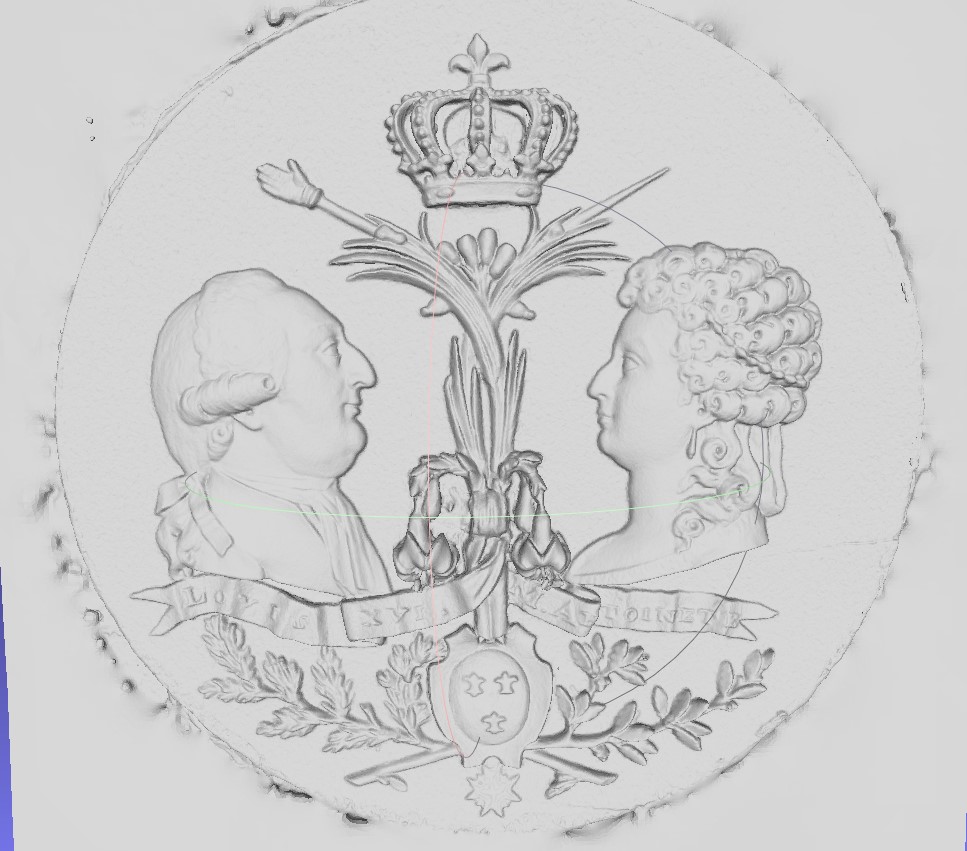
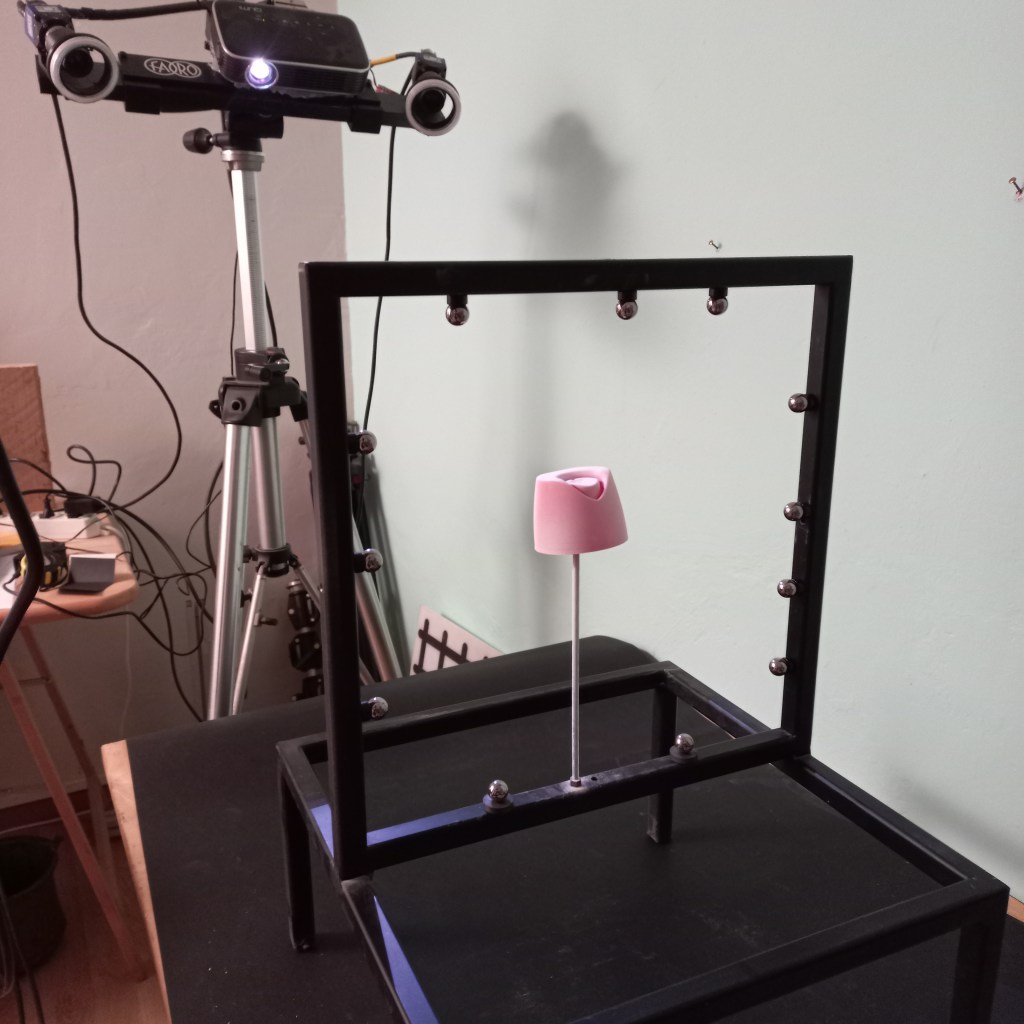
OptiMe is a 3D scanner based on the projection of a sequence of structured light patterns, acquired by two cameras (in the model called Bino) which are fixed on a rigid support.
Comparison with commercial scanners shows fully overlapping results.
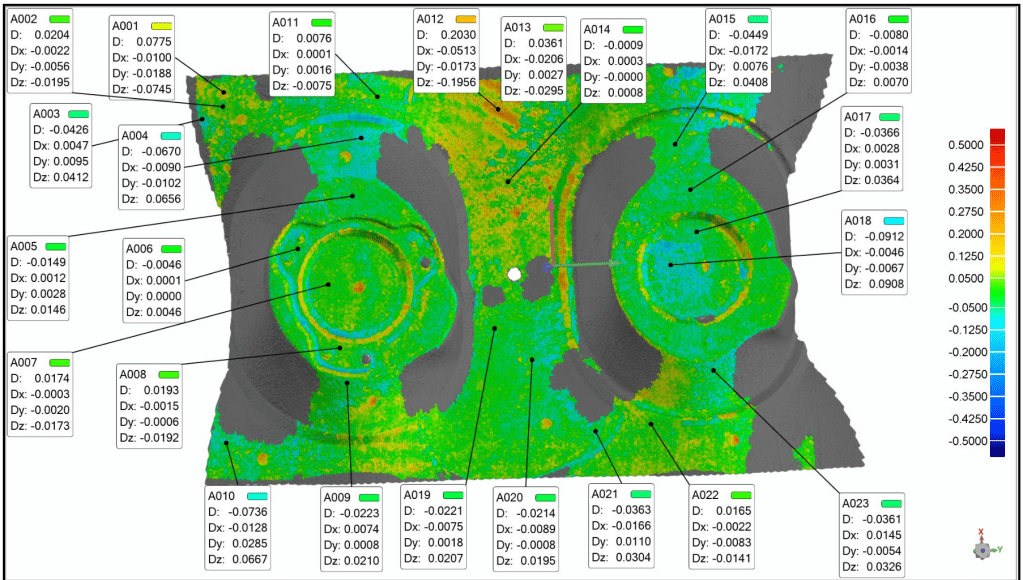
and with a laser arm.
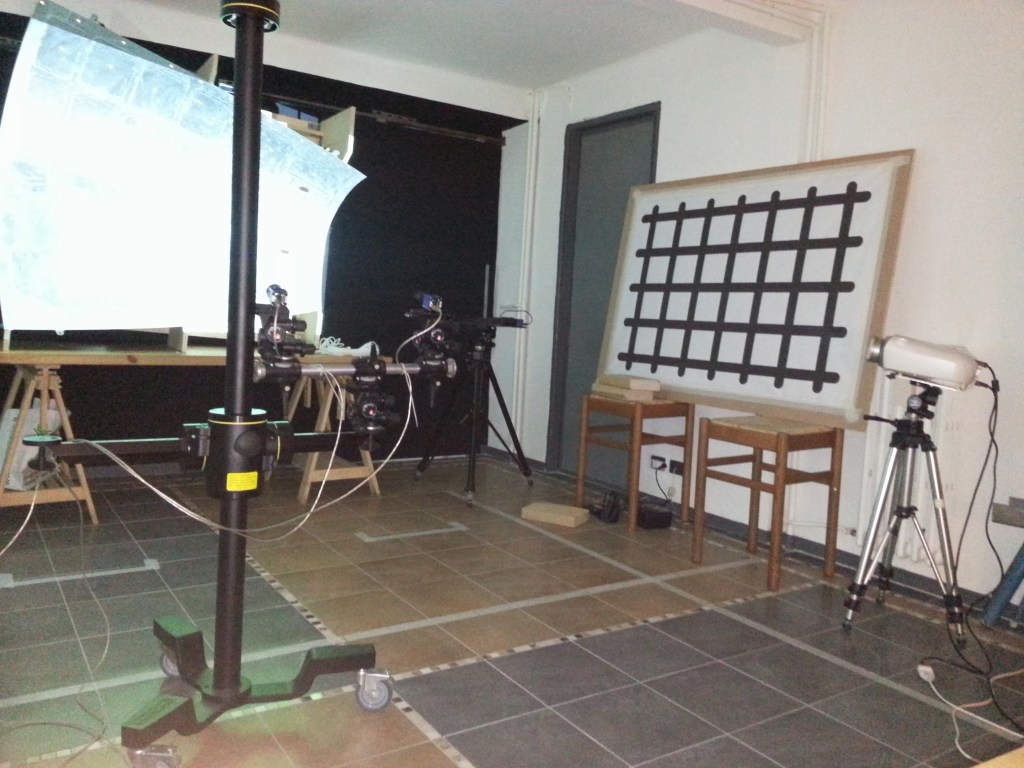
Depending on the configuration (distance between the cameras; their
orientation; focal length of the lenses) OptiMe can scan objects of
different sizes.
Innovation
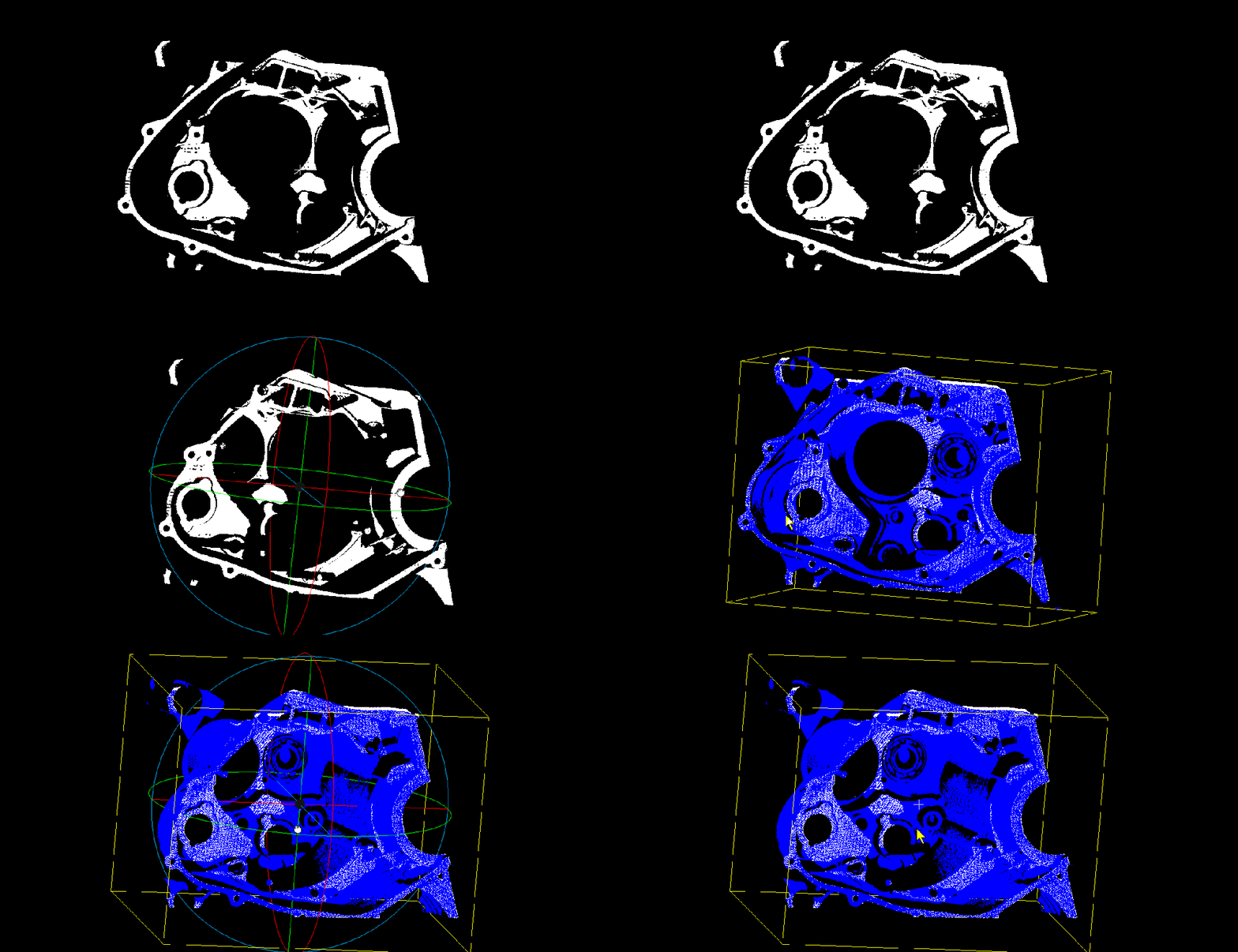
OptiMe offers innovations not easily found in similar systems:
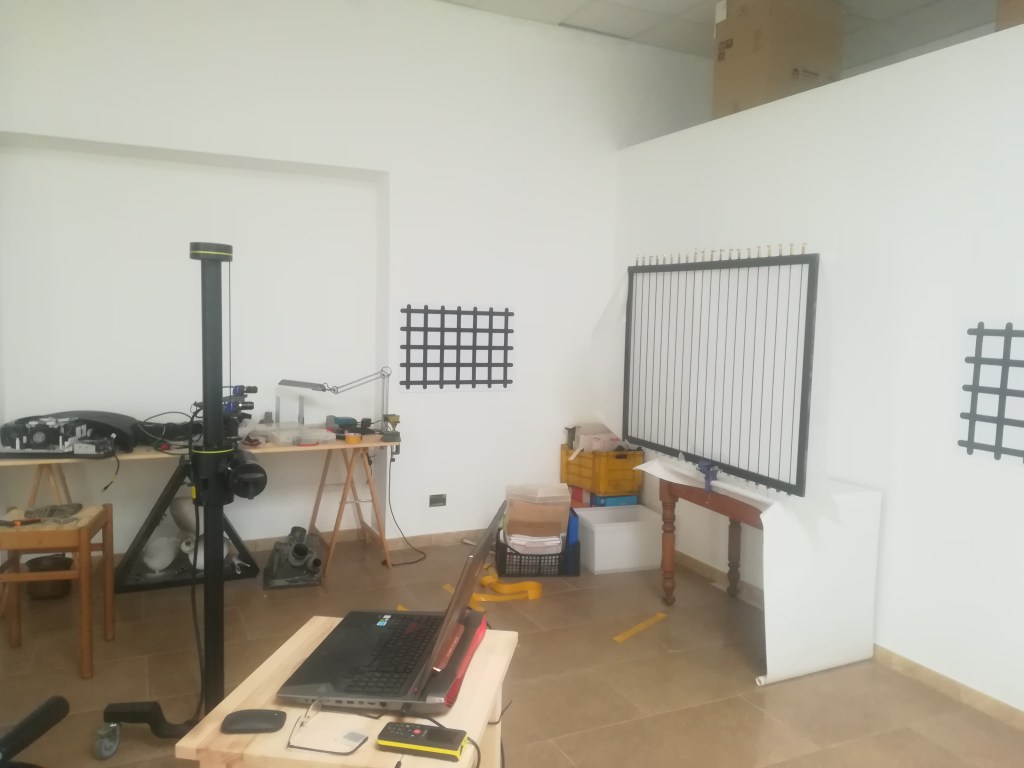
with taut, rectilinear wires. If the lens distortions are correctly compensated, the wire images appear straight.
C-OptiMe
In 2018 Fratelli Rotondi srl of Legnano, manufacturers of contact
measuring machines and optical scales, acquired a stake in General
Logic. One of the fruits of this synergy is C-OptiMe (Collaborative OptiMe).
OptiMe Trio
The use of three cameras, instead of two as in the Bino model, allows
for some additional possibilities. If in Bino it is necessary to project
a sequence of patterns to make the points on the surface identifiable,
so that they can be reconstructed, the third camera allows for
identification and reconstruction even with a single random pattern
projected. This means reducing scanning times and the risk of the object
moving during acquisition; Trio could also be used as a handheld
scanner. For this reason, General Logic and Fratelli Rotondi are
developing Trio, the new trinocular model of OptiMe.
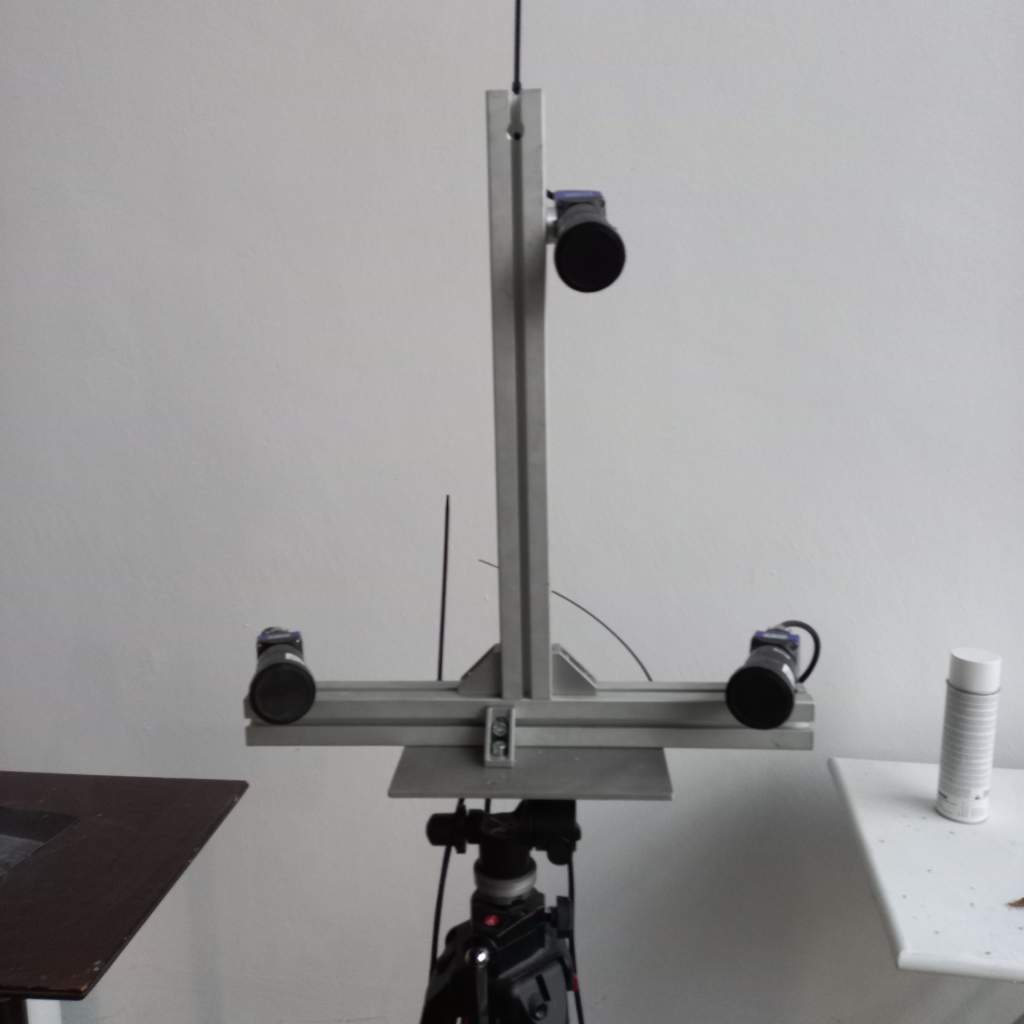
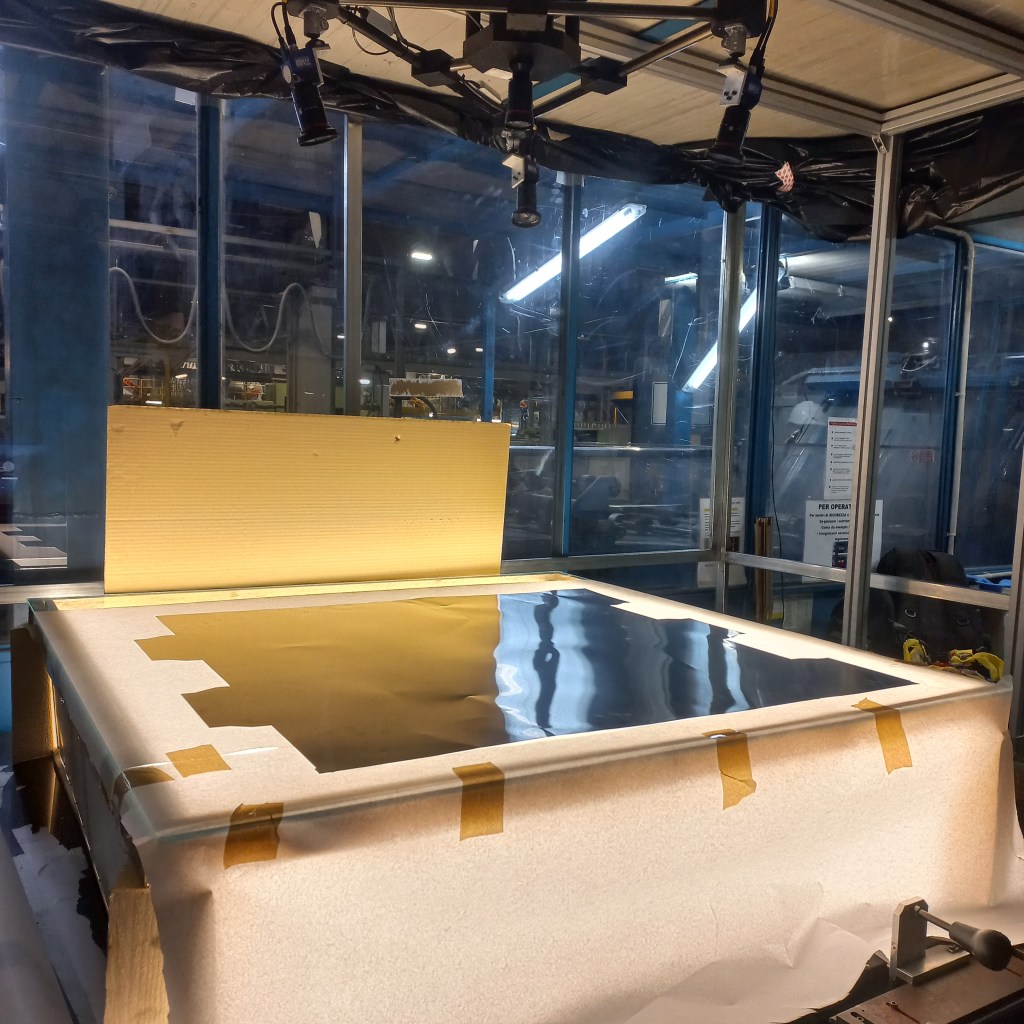
Another possibility offered by the trinocular system is to detect the
edges of flat objects regardless of their orientation, while a binocular
system cannot correctly acquire edges parallel to the line connecting
the two cameras.
 General Logic srl